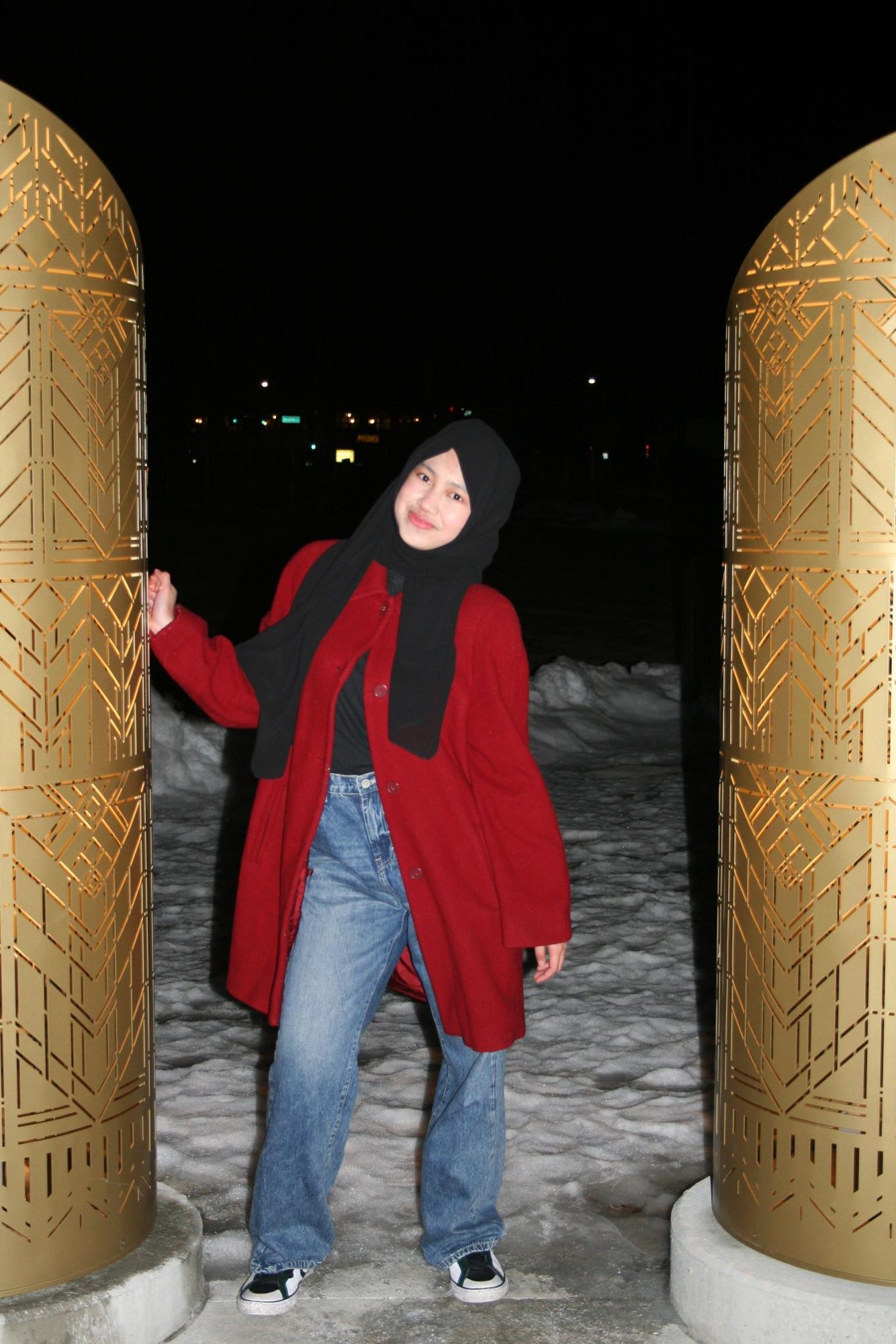
What would it feel like to go through an entire school day without eating or drinking, while everyone around you heads to lunch as usual? For a small number of students at MCHS, this is a daily reality during Ramadan.
In Mason City, where the Muslim population is relatively small, Ramadan brings a unique experience for students who observe it. While most students eagerly head to the cafeteria during lunch, a few choose to refrain from eating as part of their religious fasting. This contrast becomes especially noticeable during the holy month, particularly for me as a Muslim student observing Ramadan in this environment. As an exchange student from Indonesia, currently living with a host family for 10 months, this is my first time celebrating Ramadan away from home, and it feels very different.
Ramadan is a sacred month in Islam, observed by Muslims around the world. During this time, Muslims fast from dawn until sunset, abstaining from food, drink, and anything that would break the fast. Fasting during Ramadan is also one of the Five Pillars of Islam, which are the core practices of the faith. However, Ramadan is not only about enduring hunger and thirst. More importantly, it is a time for spiritual growth, self-reflection, strengthening one’s relationship with God, and developing empathy for those who are less fortunate.
At MCHS, there are only about five students who observe Ramadan. I spoke with one of them, a junior named Faiz. He shared, “I don’t feel that it’s much different from a normal day. It’s not something difficult to go through, and I don’t really feel tired.” His perspective shows that, despite fasting, students can still manage their daily school activities without major difficulties.
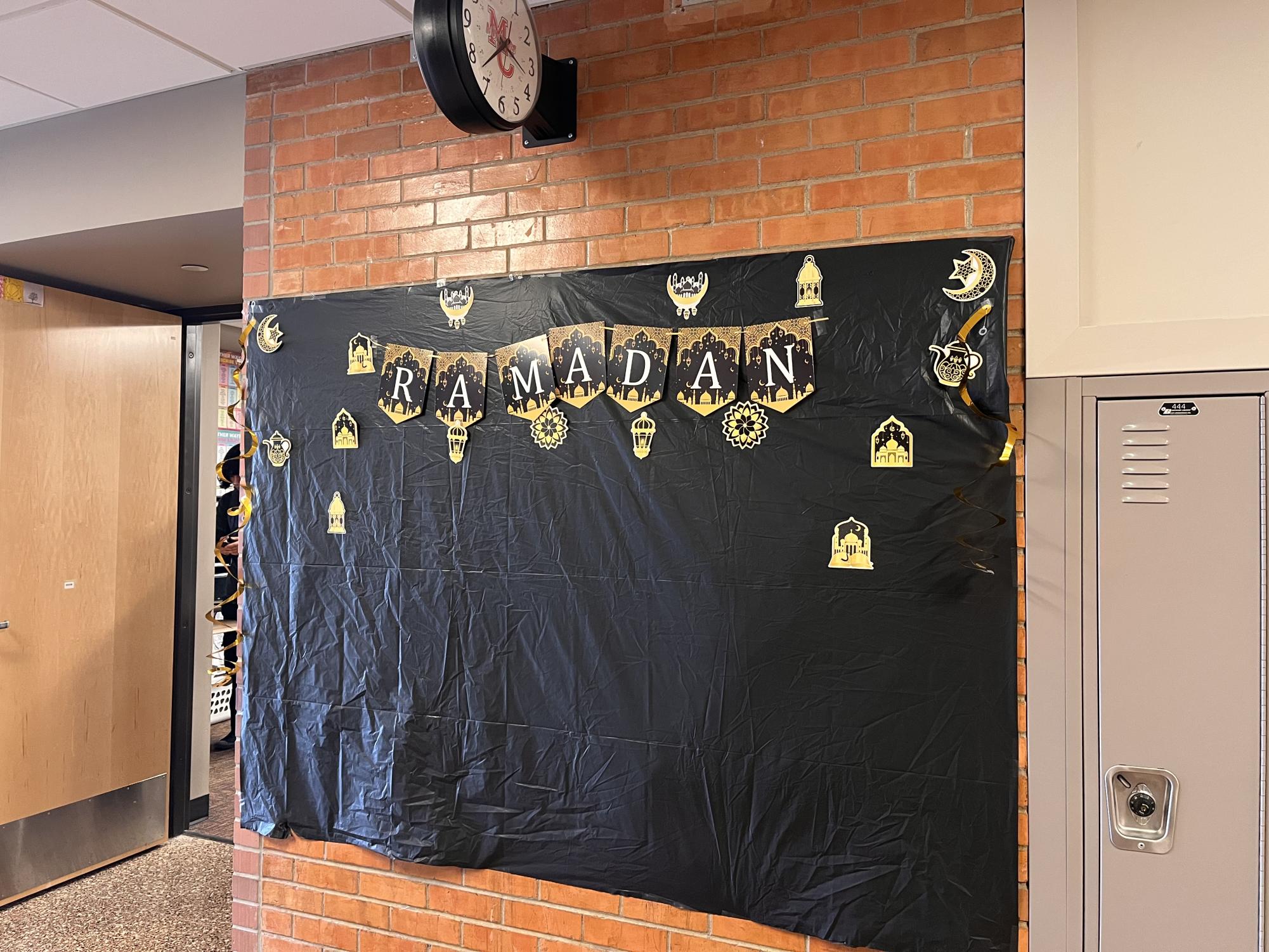
From my own experience as both the writer and a student observing Ramadan, fasting in a minority environment has taught me many valuable lessons. It does not hinder my activities, in fact, it motivates me to be more productive and disciplined. Many of my friends and teachers are curious about Ramadan, and I feel excited to share and explain its meaning to them. For example, some students ask, “Do you really not eat or drink all day?’ or “Is fasting very difficult for you?” These conversations often lead to greater understanding and respect.
Beyond the school environment, I was actually surprised to realize that there is a Muslim community here in Mason City, even though I’ve already been here for several months.
I connected with Erika Klus from the Islamic Society of Cerro Gordo County. She shared insights into how their mosque operates and the activities they organize. She explained, “I volunteer as a secretary at the mosque, working in social media. Our community has around 30 members from various countries, including South Asia, Syria, Iran, and Saudi Arabia. We are quite active. We hold potlucks every Sunday, Friday prayers, and celebrate Eid al-Fitr after completing a full month of fasting.”
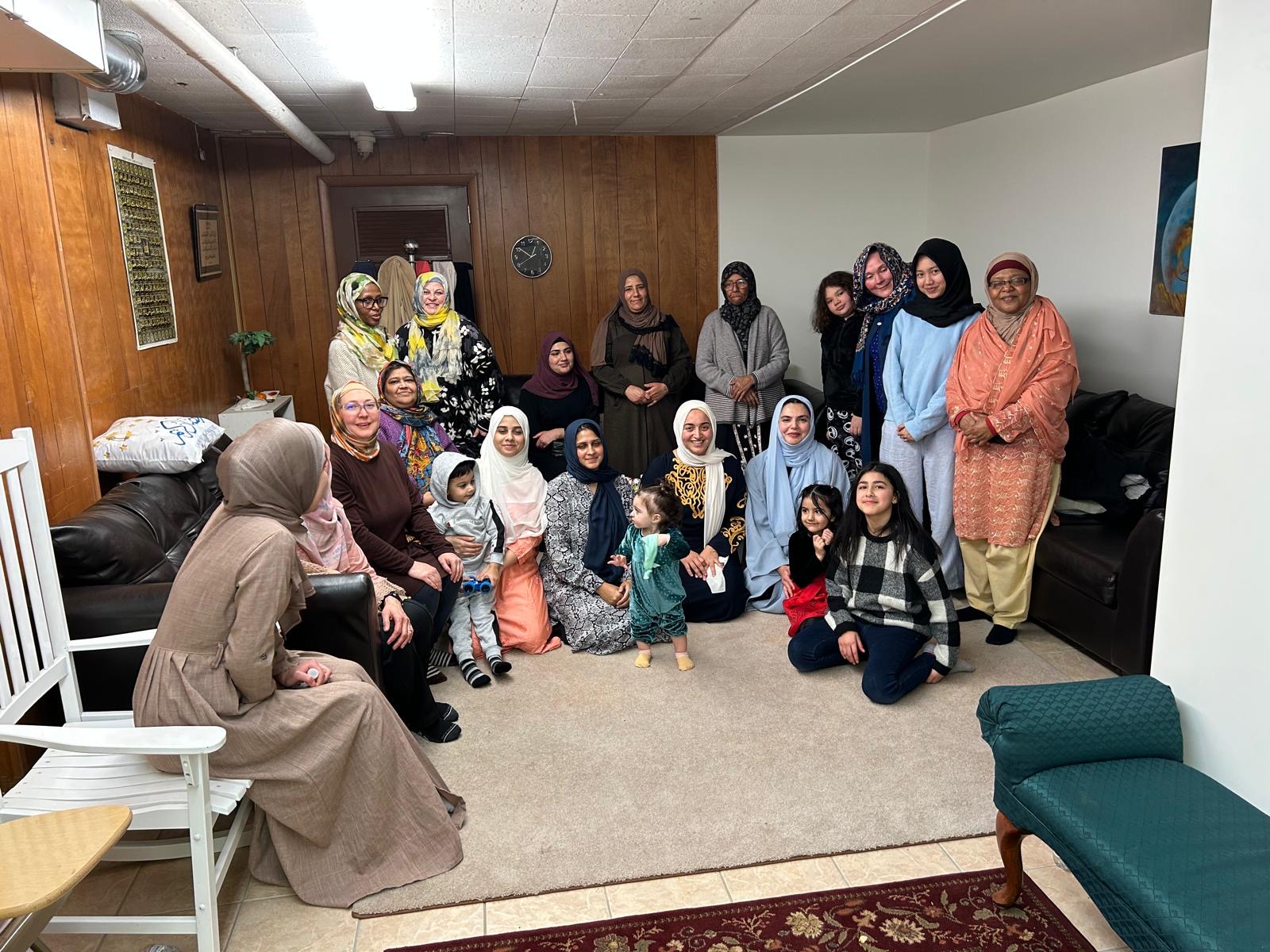
Klus described her daily routine during Ramadan by saying, “I wake up early for suhoor, fast throughout the day, and read the Qur’an regularly. There are no major difficulties because people in the community are generally respectful. However, one small challenge is finding halal food.”
Klus also mentioned that many people misunderstand fasting. “They think Muslims don’t eat or drink for an entire month without any breaks, which I find amusing,” Klus said.
Overall, observing Ramadan in a place where Muslims are a minority can feel different, but it is also a meaningful and rewarding experience. It creates opportunities to educate others, build connections, and strengthen one’s identity.
By learning more about Ramadan and respecting those who observe it, we can help create a more inclusive and understanding environment at MCHS. Even small acts like being mindful, asking respectful questions, or simply showing support can make a big difference.
Alfirah is a senior at MCHS and an exchange student from Indonesia. She recently founded Riverhawk Press and is excited to bring new ideas and stories to the community. She enjoys trying new things, meeting people, and learning from every experience. Outside of school, Alfirah loves reading, writing, and baking. In the future, she hopes to attend college in another country and continue exploring the world while pursuing her education.

Rev. Le Anne Clausen de Montes • Mar 27, 2026 at 12:11 pm
Great story! Thanks so much for writing this!